
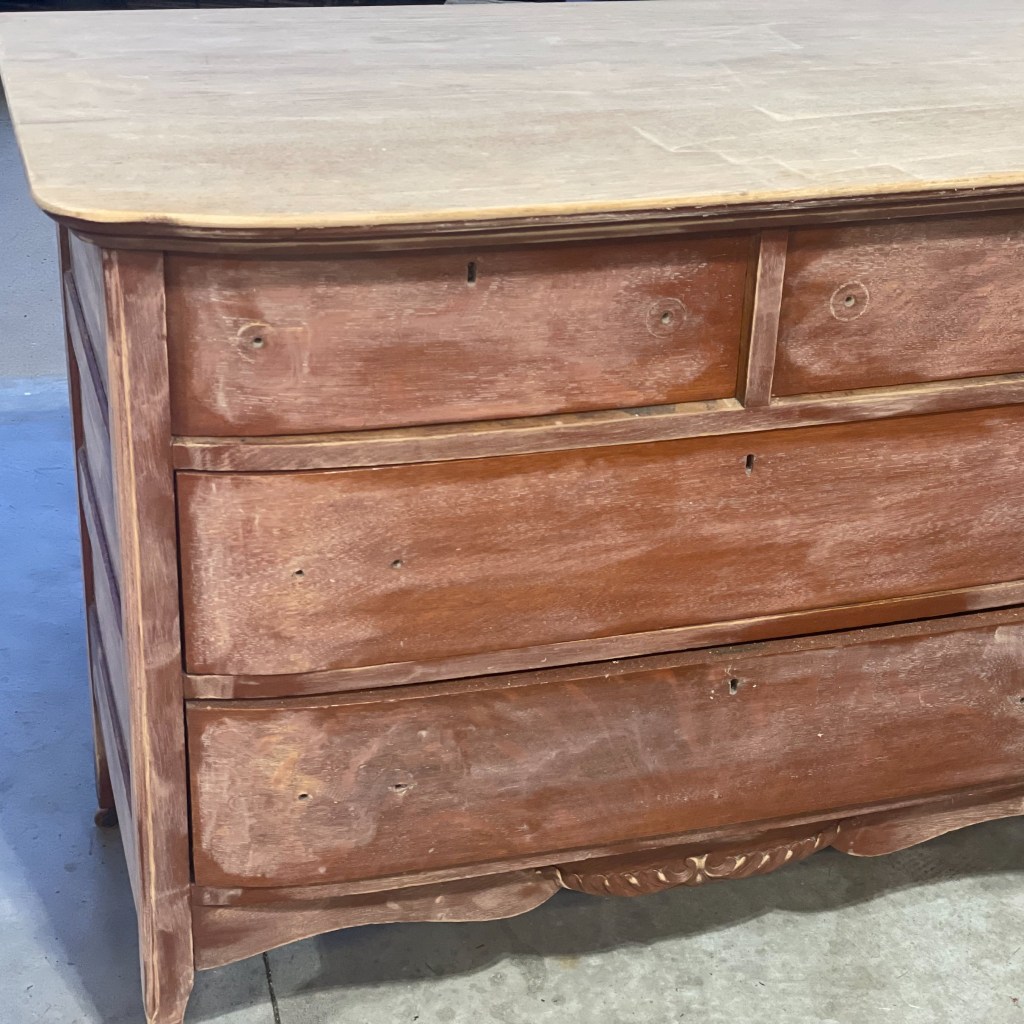
In a world dominated by mass production, flipping and refurbishing furniture offers a creative, sustainable, and often profitable alternative. Whether you’re drawn to the thrill of transformation or looking for a new side hustle, refurbishing old furniture can be both personally fulfilling and financially rewarding. But if you’ve never done it before, the prospect of sanding, staining, or reupholstering can feel intimidating.
Here’s a comprehensive guide to help you start—no prior experience required.
1. Why Start Flipping Furniture?
Sustainability, Savings, and Satisfaction
Refurbishing furniture diverts waste from landfills, supports sustainable living, and often costs far less than buying new. According to the Environmental Protection Agency, Americans discard more than 12 million tons of furniture annually, much of which ends up in landfills. By rescuing a forgotten dresser or worn-out chair, you’re giving it new life and reducing environmental impact.
Flipping furniture is also a fantastic way to create a personalized home aesthetic without splurging on high-end decor. And for many, what begins as a hobby turns into a side business—some even report making $500–$2,000 a month by selling refinished pieces online or at local markets.
2. Start Simple: Choose Beginner-Friendly Pieces
Don’t dive into an antique armoire as your first project. Look for:
- Solid wood furniture (avoid particleboard—it doesn’t refinish well).
- Pieces with simple lines and minimal damage.
- Items that can be found cheaply or for free: check Facebook Marketplace, thrift stores, garage sales, or even curb alerts.
Tip: Coffee tables, nightstands, and dining chairs make excellent first projects.
3. Essential Tools and Supplies for Beginners
You don’t need a full workshop—just a few basics:
- Screwdrivers and pliers (for removing hardware)
- Sandpaper or a sanding block (start with 80-grit and finish with 220-grit)
- Primer and paint (chalk paint is very forgiving for beginners)
- Paintbrushes or rollers
- Wood filler (for repairing dents or holes)
- Protective finish (like polyurethane or wax)
- A drop cloth and gloves (for mess management)
Cost-saving tip: You can often find gently used tools at estate sales or online resale sites.
4. Learn the Process: Clean, Sand, Paint, Protect
Here’s a beginner-friendly workflow:
Clean Thoroughly
Use a degreaser or vinegar-water mix to remove dirt and oils. This is a crucial step many skip.
Sand the Surface
This helps paint or stain adhere properly. You don’t always need to sand down to bare wood—just enough to rough up glossy finishes.
Prime and Paint
Priming helps prevent stains from bleeding through and improves paint durability. Chalk paint requires minimal prep and dries quickly, making it ideal for beginners.
Seal It
Use a polyurethane sealant for durability, especially for items like tables or chairs that get daily use.
5. Develop an Eye for Value
Not every old piece is worth flipping. Over time, you’ll learn to spot pieces with potential—those that have:
- Good bones (solid structure and timeless design)
- Minimal damage
- Desirable styles (mid-century modern, farmhouse, etc.)
Research what styles are trending in your local market using Facebook groups or Etsy listings.
6. Where to Sell Your Flipped Furniture
- Facebook Marketplace
- OfferUp and Craigslist
- Etsy or eBay (for smaller, shippable items)
- Local flea markets or vintage fairs
- Instagram shops (build a brand with before/after photos)
Pro tip: Staging and high-quality photos make a huge difference. Add plants, rugs, or natural light to boost appeal.
7. Embrace the Learning Curve
No one starts off a master. Your first few flips might have brush strokes, uneven sanding, or chipped corners—and that’s okay. The imperfections are part of the process. Each piece teaches you something new.
Join communities like r/furnitureflip on Reddit or Facebook groups where people share tips, feedback, and encouragement. You’ll find tutorials, before-and-afters, and advice that can help fast-track your learning.
Final Thoughts: Just Start
You don’t need a garage full of tools or a degree in design to start flipping furniture. All it takes is curiosity, patience, and a willingness to learn by doing.Remember: the first coat of paint may be messy, but by your fifth piece, you’ll be confidently creating furniture that people are proud to place in their homes.
And who knows? What begins as a weekend project might just become your next passion—or even a profitable side gig.
💡 Have you tried your hand at flipping furniture? What’s your biggest success—or your funniest failure? Share your experience in the comments below!
Want More Tips on Furniture Flipping?
Subscribe to the blog or follow me on Instagram or Facebook for tutorials, tool recommendations, and behind-the-scenes looks at my latest flips!
- Purchase Dixie Belle Chalk Mineral Paint through my EBay or Etsy store!
- Purchase painting supplies through my Etsy store!
- Dixie Belle Bonding Primer
- Lilly Moon Bonding Primer
- Lilly Moon Top Coat
 revivedbydesignoh.com
Leave a comment